


Buying a dip works really well in an uptrend, but a subtle change in trend can be like the proverbial frog in a pot of boiling water.
Strategies
3545 posts

Just like the hungry caterpillar, an investor may consider diversification and balance to achieve portfolio growth over time - with Asset Allocation portfolios.
Fixed income investing styles - how does one know whether an active, indexed, or systematic approach makes more sense for certain sectors, and for the asset class as a whole.

At Interactive Advisors, we have been bringing together our collective intuition, knowledge and experience for the past 15+ years now. Join us as a manager or a client, and bring yours too! A large range of contemporary offerings continues to be a testament to our insightful approach in providing exceptional robo-advisory services.

We believe that by virtue of becoming your trusted partners in your investing journeys, we in turn form our own little teams with our clients and managers. And hence we would like to share with you some of the ideas from this gem of a communique that we feel will allow you to know us better, and subsequently help us deliver the best robo-advisory services to you

The global P&C side of the insurance industry has reported a significant boost in premiums, and the growing calls to insure climate-related risk are partly to blame. The resulting jump in insurance costs for policyholders is an issue that lawmakers are taking steps to address

Reminders take you back to basics. Investing is no different. No matter how sophisticated the offerings and the underlying systems look, the basics stay the same. The simplest lessons are often the most important ones.

In order to go after your goals with a determined mind and positive attitude, you need to first define them with clarity and conviction

You can elect to do your retirement planning with any of the scores of advisory services available these days.

As the US election draws closer, greater investor attention is warranted on how to align market views with the potential November outcome. In this article, we consider which equity sectors could benefit or lose out depending on the election results.

What’s happening with gold this month? In Talking Gold, we track changes in the gold market by looking at price trends, gold ETF flows, and fundamental drivers for the precious metal.
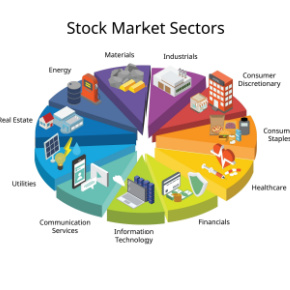
Exploring growth opportunities in the insurance, homebuilding, and biotech sectors for Q2 2024, highlighting the strong growth outlook, attractive valuations, and potential for innovation and disruption in these industries.