


Stocks moved higher last week as inflation jitters gave way to investor enthusiasm over Middle East diplomatic efforts and the largest-ever initial public offering (IPO).
Outlook
2628 posts
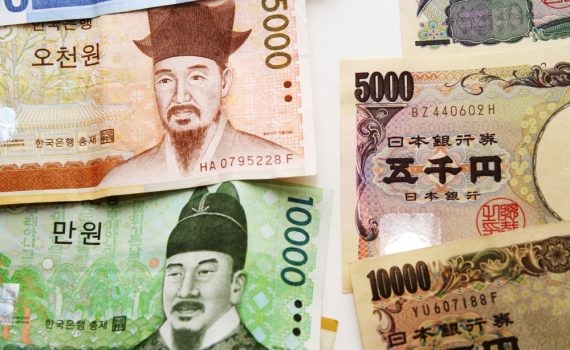
This week brings OPEX, a Bank of Japan rate decision, an FOMC rate decision, and a Bank of England rate announcement. As a result, market mechanics should be on full display.

The rise in U.S. Treasury (UST) yields, specifically the ten-year note, since late February has captured the attention of global investors in a very visible fashion. What comes next?
With the May employment report now in hand, the cumulative evidence on the labor market points to an undeniable improvement over the last few months that removes urgency for Fed rate cuts.

A blockbuster nonfarm payrolls report, rise in Fed hike probabilities, elevated energy costs and price pressure issues form the backdrop against which the Wall Street is turning defensive.

With respect to the ongoing discussions and back and forth between the United States and Iran, the endless negotiation leaves the financial world vacillating between believing a deal is imminent versus a world where kinetic activity is the only way this conflict can end.
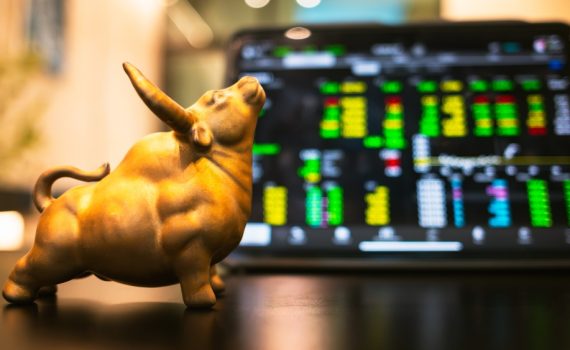
Stocks wrapped up the week and the month on positive notes. Sliding oil prices and technology gains helped push all three averages to record intraday and closing highs.

Hot US inflation prints, strong yet volatile UK growth, and a near-certain Japan rate hike dominate the outlook, with markets navigating data noise, energy-driven pressures, and geopolitical risks.
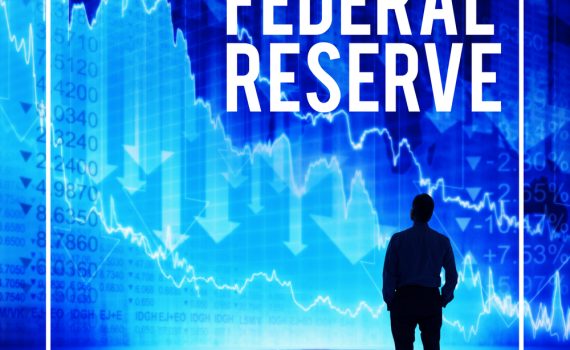
Ongoing tensions between the US and Iran have investors reexamining their risk exposures. The hawkish developments occur just as Kevin Warsh gears up in his first week at the helm of the Fed, with stocks extending their fall from Friday.

Oil looked poised to break out today but could not clear the trendline. At least for now, oil bulls will have to wait and see if the market can gather enough momentum tomorrow to finally push through.

Stocks rose last week as peace talks picked up while investors cheered better-than-expected economic news and Q1 corporate results.

What is odd about this whole thing, regarding volatility, is that the ratio between oil and gold volatility is not nearly as wide. Clearly, oil and gold vol are elevated, and S&P 500 vol is not.