


Last week’s market rally saw assists from two places: economic data and constructive Fed comments. Three critical economic data points gave investors what they were looking for: wholesale inflation, consumer prices, and retail sales.
Outlook
2625 posts

Monday was the worst day for the S&P 500 and the Dow in nearly two years. But initial jobless claims fell less than expected—a positive sign for the labor markets— which quieted some of the recession talk. Also, as the week progressed, there was growing speculation that the July jobs report was more of an outlier than a lead indicator of a pending recession.

The need for validation of the recent rally is emphasized, questioning whether the UST 2-Year yield being significantly below the Fed Funds Rate is justified given current economic data

As the earnings season unfolds, these corporate outlooks offer real-world insights that often contrast sharply with the uncertainty emanating from the Federal Open Market Committee (FOMC)

Two influential tech companies reported disappointing Q2 numbers, which soured sentiment. At the same time, the S&P and Nasdaq have been under pressure, with both posting losses for the second consecutive week

The global P&C side of the insurance industry has reported a significant boost in premiums, and the growing calls to insure climate-related risk are partly to blame. The resulting jump in insurance costs for policyholders is an issue that lawmakers are taking steps to address

One asset class that may be worth paying attention to in a falling rate environment is small-cap equity as it may directly benefit from lower rates and loosening financial conditions
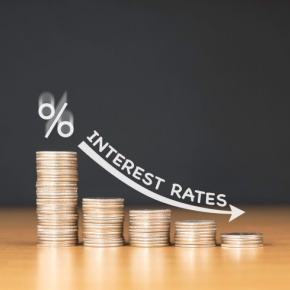
Fed Chair Powell indicated the Fed may not wait for inflation to reach its 2 percent target before considering a rate move, buoying the markets

Consider themes that may be insulated from geopolitical-driven volatility like U.S. Infrastructure, Defense Tech, and Uranium. Also consider traditionally less volatile assets like preferreds, covered calls, or emerging market debt less correlated with U.S. election risks
Each month, the SSGA Investment Solutions Group (ISG) meets to debate and ultimately determine a Tactical Asset Allocation (TAA) to guide near-term investment decisions for client portfolios. Here we report on the team’s most recent discussion

Yesterday it was the Harris Trade but today it’s the Trump trade as stocks attempt to bounce back from last week’s selloff by using any lever they can pull. But from a probability perspective, election odds haven’t changed much, with Trump still expected to handily become 47

In June, the American Society of Clinical Oncology (ASCO) hosted its 60th Annual Meeting, drawing over 40,000 attendees from around the globe. This year’s event largely focused on validating revolutionary treatment categories like Chimeric antigen receptor (CAR) T-cell therapies and antibody drug conjugates (ADCs). Given proven clinical benefits across a wider array of cancer types, we expect these novel treatment categories to become increasingly important in the fight against cancer and the growth profiles of select companies in the healthcare space.